
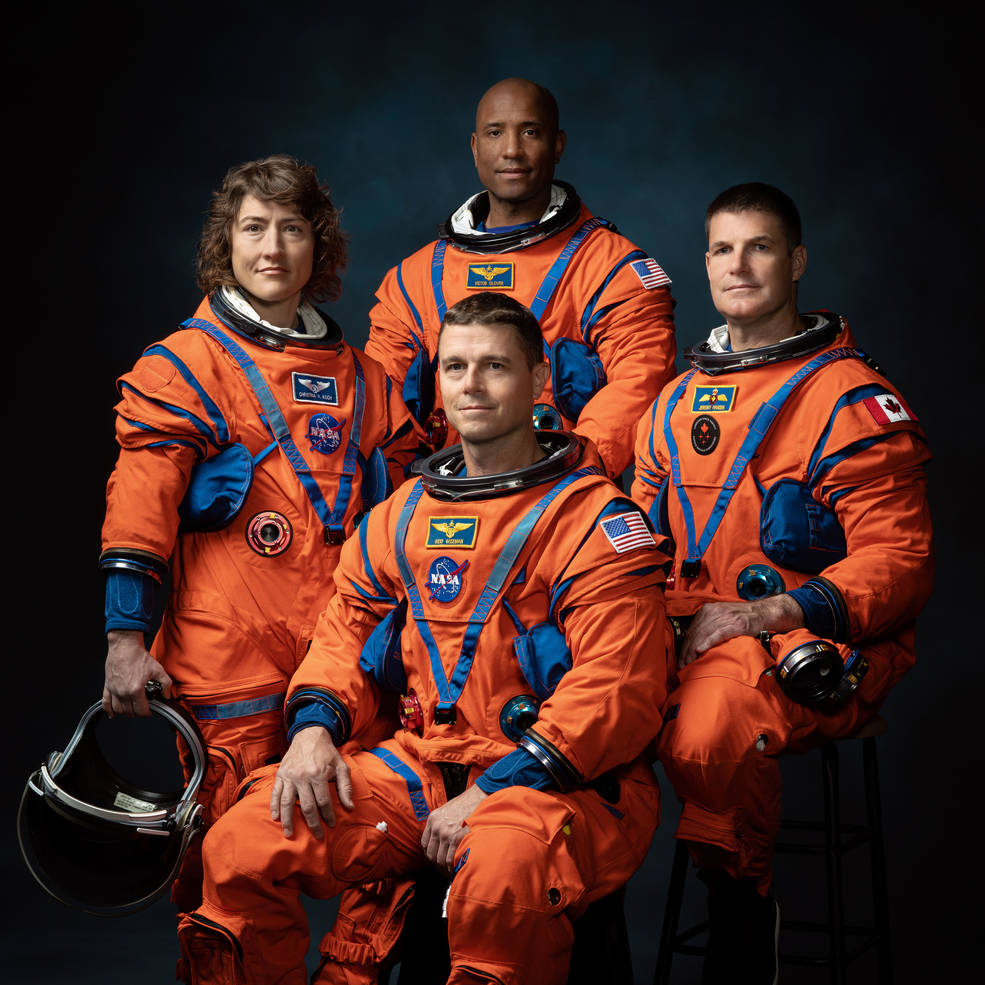
La NASA et l’Agence spatiale canadienne CSA ont annoncé les quatre astronautes qui orbiteront autour de la Lune dans le cadre de la mission Artemis II. C’est le premier
mission habitée sur le chemin de la NASA vers une présence à long terme sur la lune. Les autorités ont annoncé les membres de l’équipage le 3 avril, lors d’un événement sur l’Ellington
Terrain près du Johnson Space Center de la NASA à Houston.
L’équipage est le suivant : le commandant Reid Wiseman, KF5LKT, le pilote Victor Glover, KI5BKC, le spécialiste de mission Christina Hammock Koch et le spécialiste de mission Jeremy Hansen, KF5LKU.
Ils travailleront en équipe pour entreprendre une série de démonstrations ambitieuses lors des essais en vol. Le vol Artemis II est prévu pour novembre 2024 et dure environ
prévue pour une dizaine de jours. Rapports AMSAT à ce sujet en référence à la NASA
Info de la Source * ICI







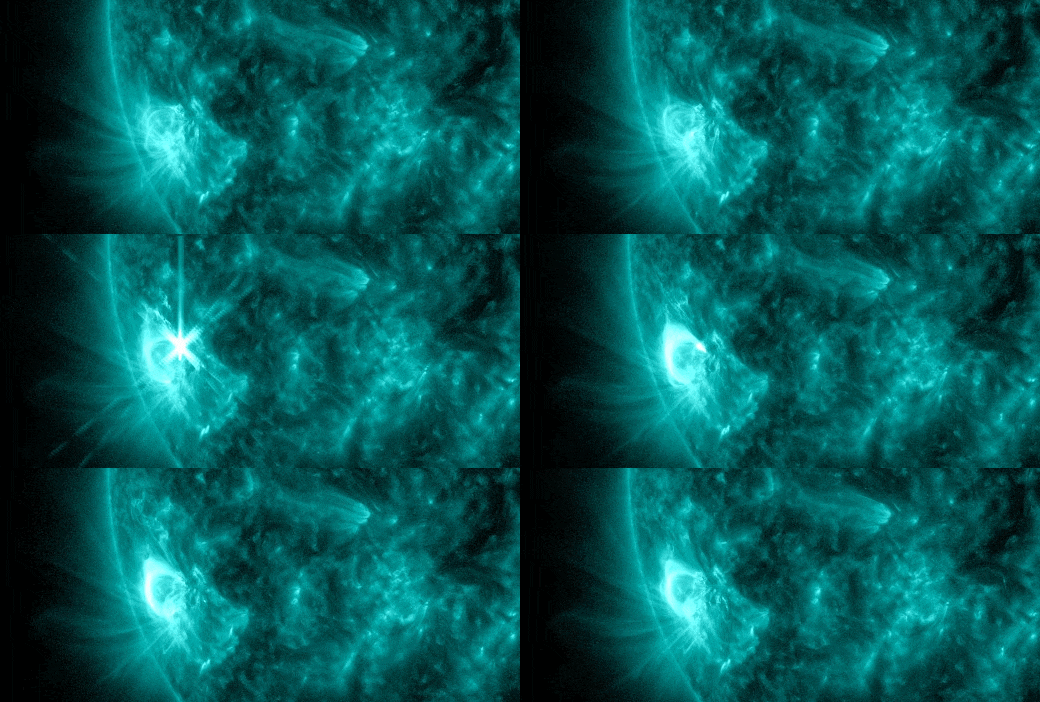


![La nouvelle tache solaire constitue une menace pour les éruptions solaires de classe M. [Photo publiée avec l'aimable autorisation de la NASA
SDO/IHM]](/img/80x51/News/hmi4096_040723.jpg)
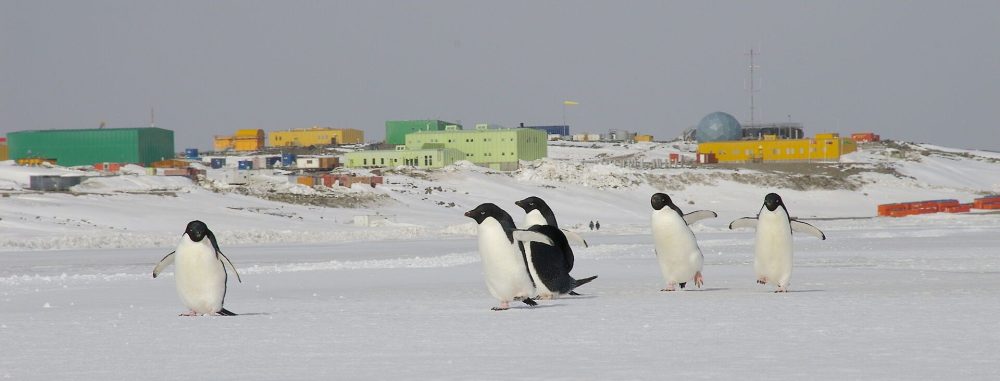
 Nordenskjöld’s Hut aka Nordenskjöld House (
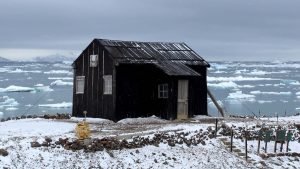 The Argentine Navy took possession of the Refuge on January 8, 1954, renaming it Refugio Suecia and proceeded to its restoration. On that day the frigate Captain Luis T. De Villalobos, commander of the transport ARA Bahia Aguirre, took possession of the Refuge facilities on behalf of the Government of the Argentine Republic and recorded the new name. On the same day in its vicinity the Betbeder Naval Shelter was built. The Hut was used as a base for reconnaissance research in the summers of 1953-1954 and 1954-1955. In the early 1960s it had a warehouse with provisions for three people for three months.
 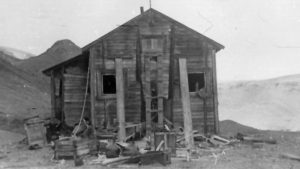 The leader of the expedition had to spend the winter on the island along with meteorologist Gösta Bodman, sailor Gustav Akerlund, all of them of Swedish nationality, and Argentine Josè Maria Sobral, ensign. They would carry out meteorological, magnetic, astronomical and hydrographic work, as well as expeditions on the sea ice to the neighboring islands and to the nearby area of the Antarctic Peninsula, a region later known as the Nordenskjold Coast, and which extends to the southwest of the island.