ÉCLAIRAGE SOLAIRE DE CLASSE M


Aujourd’hui a commencé par une éruption solaire de classe M2.9. Le Solar Dynamics Observatory de
la NASA a enregistré le flash ultraviolet extrême le 8 avril à 0146 UT :
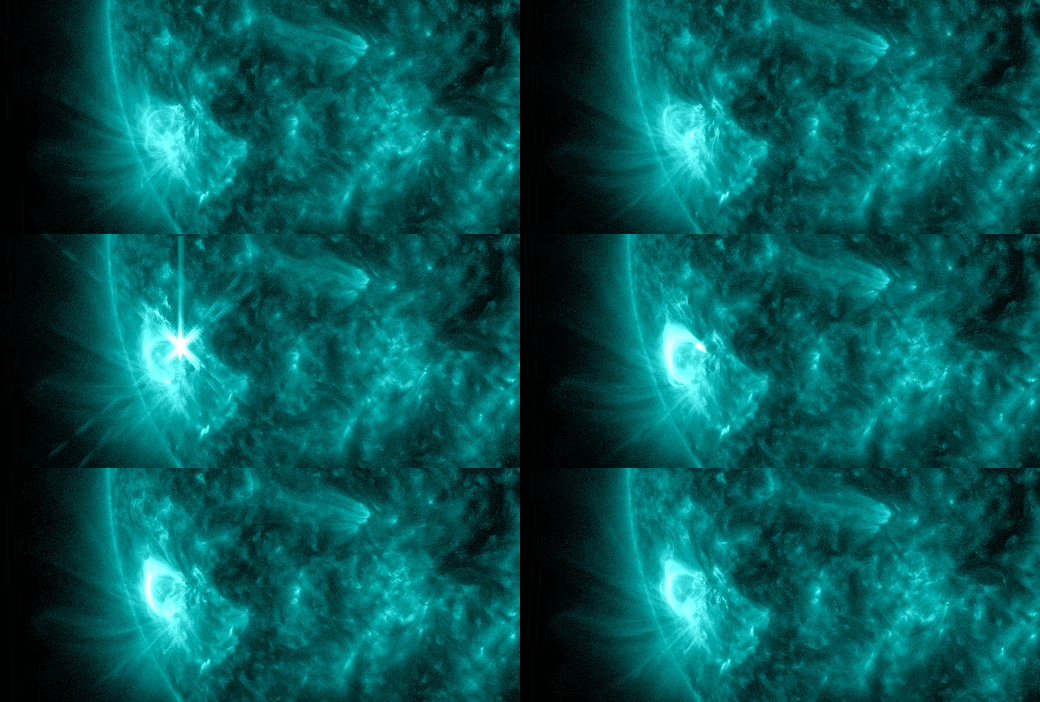
Le rayonnement de l’éruption a ionisé le sommet de l’atmosphère terrestre, provoquant une panne radio mineure à ondes courtes au-dessus de l’océan Pacifique. Les opérateurs
radioamateurs et les marins peuvent avoir remarqué une perte de signal et d’autres effets de propagation inhabituels à des fréquences inférieures à 25 MHz.
La source de l’éruption était la tache solaire émergente AR3272. Cette région active a un champ magnétique «bêta-gamma» instable qui abrite de l’énergie pour davantage d’éruptions
solaires de classe M. Toute éruption ce week-end sera géo-efficace car la tache solaire se tourne vers la Terre. Alertes aux éruptions solaires :
Texte SMS.
Info de la Source Publié * ICI



![La nouvelle tache solaire constitue une menace pour les éruptions solaires de classe M. [Photo publiée avec l'aimable autorisation de la NASA
SDO/IHM]](/img/80x51/News/hmi4096_040723.jpg)
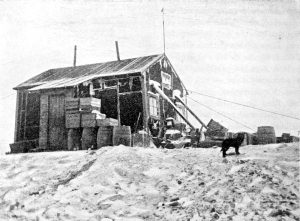 Nordenskjöld’s Hut aka Nordenskjöld House (
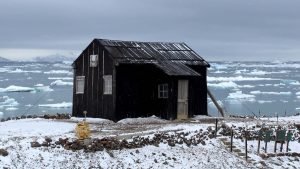 The Argentine Navy took possession of the Refuge on January 8, 1954, renaming it Refugio Suecia and proceeded to its restoration. On that day the frigate Captain Luis T. De Villalobos, commander of the transport ARA Bahia Aguirre, took possession of the Refuge facilities on behalf of the Government of the Argentine Republic and recorded the new name. On the same day in its vicinity the Betbeder Naval Shelter was built. The Hut was used as a base for reconnaissance research in the summers of 1953-1954 and 1954-1955. In the early 1960s it had a warehouse with provisions for three people for three months.
 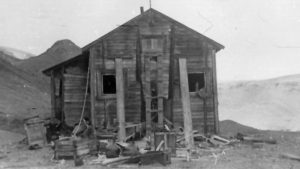 The leader of the expedition had to spend the winter on the island along with meteorologist Gösta Bodman, sailor Gustav Akerlund, all of them of Swedish nationality, and Argentine Josè Maria Sobral, ensign. They would carry out meteorological, magnetic, astronomical and hydrographic work, as well as expeditions on the sea ice to the neighboring islands and to the nearby area of the Antarctic Peninsula, a region later known as the Nordenskjold Coast, and which extends to the southwest of the island.

 AmateurRadio.com