4W1A Timor Leste
2023-04-22 07:44:00
4W1A Team will be active from Timor Leste, IOTA OC – 148, 10 – 22 April 2023. Team – DL6FBL, E77DX, SP5XVY.

Version traduite via Google Translate
L’équipe 4W1A sera active depuis le Timor Leste, IOTA OC – 148, du 10 au 22 avril 2023. L’Équipe – DL6FBL, E77DX, SP5XVY.






 AmateurRadio.com







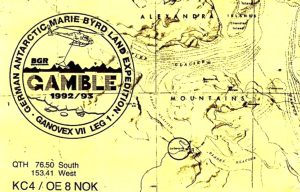 GANOVEX VII Multinational expedition was again funded by the Federal Agency for Geosciences and Natural Resources (BGR). Expedition leader was Dr. Roland, the ship “PolarQueen” was used, researchers from the various institutes BGR, AWI, DLR, Uni Frankfurt/M and others as well as from Holland, USA and New Zealand were involved, the Americans and a team from Australia took care of the helicopter service.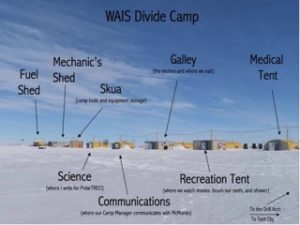
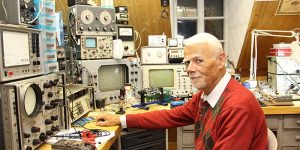 About Werner Thonhauser, OE8NOK (